

Red light therapy (RLT) has gone from a niche spa treatment to a living-room staple. Here’s a practical, no-hype look at what it does, how to use it at home, and what to look for in a device.
What Red Light Therapy Is
RLT devices use low-level red (around 660nm) and near-infrared (around 850nm) light to expose skin and tissue to wavelengths your body absorbs easily. It’s non-invasive, doesn’t involve UV light, and sessions are typically short — 10 to 20 minutes.
How to Use It at Home
- Start with clean, dry skin and no sunscreen or lotion on the treatment area.
- Position the panel or pad 6–12 inches from your skin, or use a wearable wrap directly on the area.
- Run a 10–20 minute session, 3–5 times a week — consistency matters more than intensity.
- Protect your eyes if using a high-output panel near your face.
- Give it 4–8 weeks of regular use before judging results.
What People Use It For
People reach for red light therapy as part of a recovery or skin-care routine — after workouts, for everyday muscle and joint discomfort, or simply to wind down in the evening. As with any wellness tool, results vary by person, and RLT isn’t a substitute for medical care.
Shop Red Light Therapy Devices
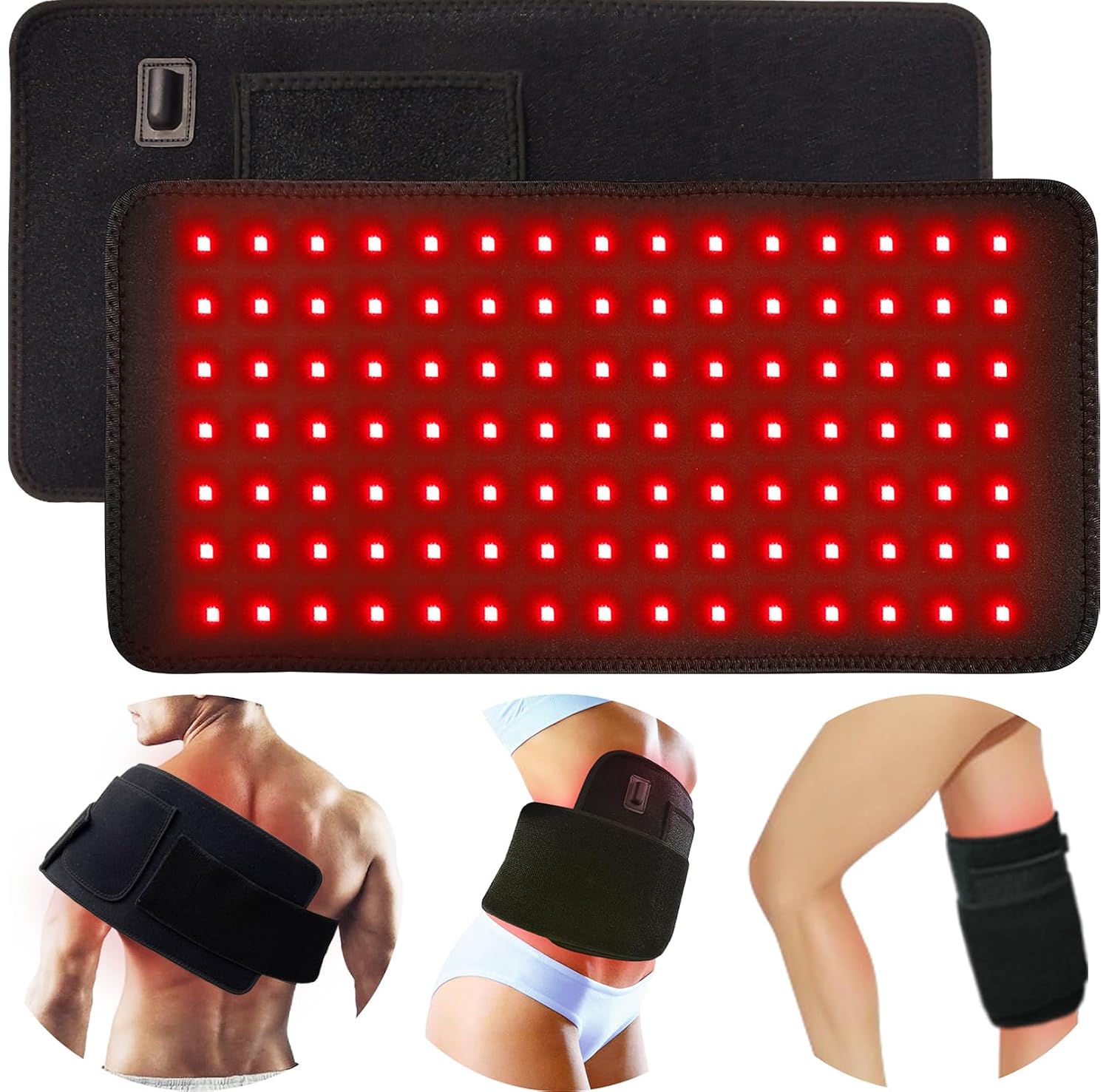
bonodave Red Light Therapy Pad — a flexible wrap-style pad for back, knee, shoulder and hands. Shop the bonodave Pad →
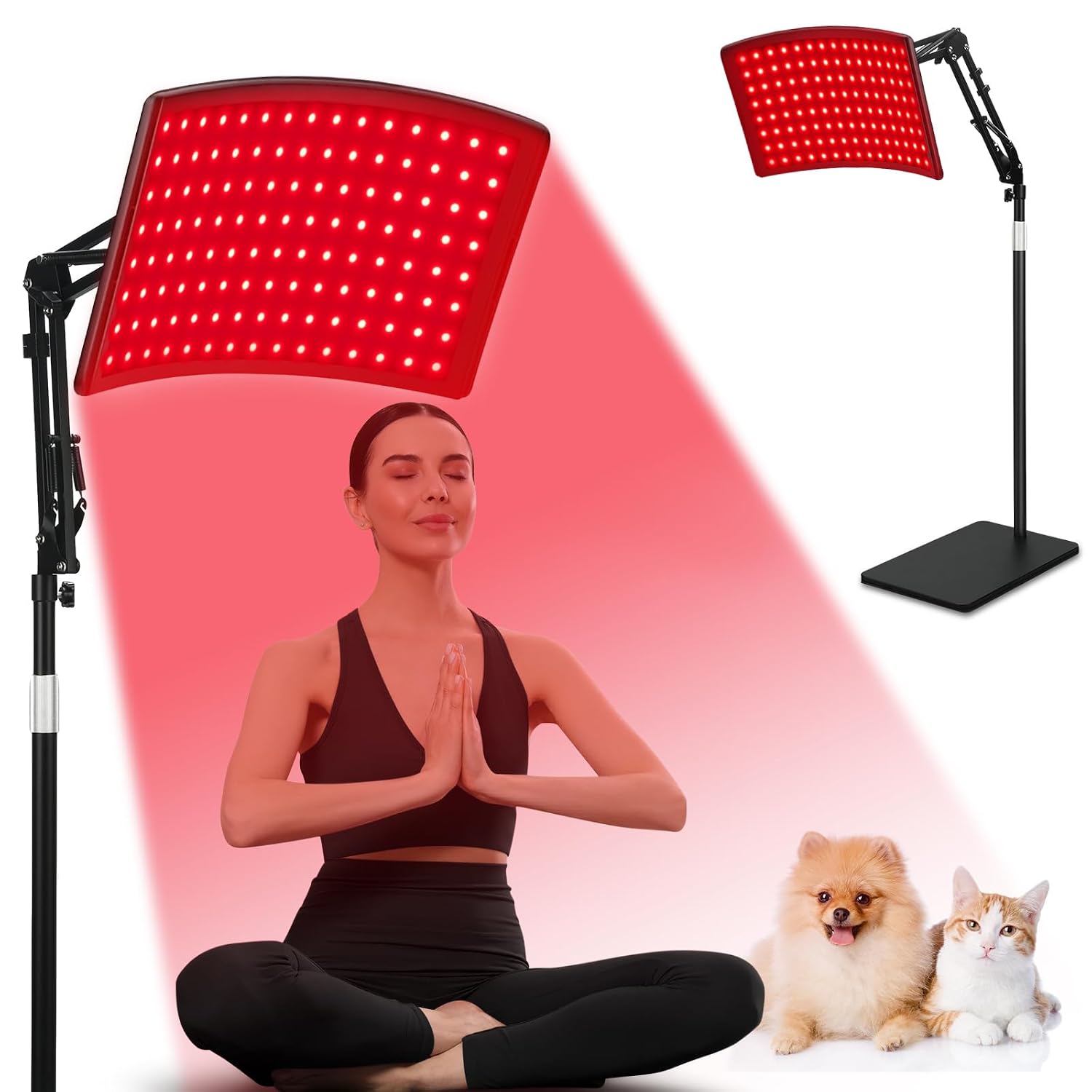
Viconor Red Light Therapy Lamp with Stand — a stand-mounted panel for hands-free full-body sessions. Shop the Viconor Lamp →